wildlife biology core curriculum online free pdf
Summary
Dive into wildlife biology with our free online core curriculum! Download essential PDFs, study key concepts, & boost your knowledge. Start learning today – it’s all here!

Article Plan: Wildlife Biology Core Curriculum Online Free PDF
This article details a pathway to accessible wildlife biology education, focusing on free online resources, core curriculum components, and practical learning opportunities for aspiring biologists.
It explores vital courses like ecology, physiology, genetics, and conservation, alongside platforms offering free PDFs, courses, and supplemental fieldwork guidance.
The guide addresses challenges and future trends, empowering individuals to pursue wildlife biology education without financial barriers, fostering a new generation of conservationists.
Wildlife biology is a multidisciplinary science studying non-domesticated animals and their habitats. It encompasses ecology, physiology, genetics, and conservation, aiming to understand and protect wild species and ecosystems. The field is increasingly crucial given the current wildlife crisis, with populations declining dramatically since 1970 and extinction rates accelerating.
Traditionally, a strong educational foundation in wildlife biology required expensive university programs. However, the rise of the internet has democratized access to knowledge. This article focuses on a core curriculum achievable through free online resources, including courses, PDF textbooks, and open educational materials (OER). We aim to provide a comprehensive guide for aspiring wildlife biologists seeking affordable, high-quality education, empowering them to contribute to conservation efforts worldwide.
Global wildlife faces a severe crisis, with alarming species loss and habitat destruction demanding urgent action and skilled conservation professionals.
II. The Current Wildlife Crisis: A Global Overview
The planet is experiencing a biodiversity crisis of unprecedented scale, with wildlife populations plummeting at an alarming rate. Recent reports indicate a greater than 50% decline in wildlife numbers since 1970, driven by habitat loss, poaching, climate change, pollution, and human-wildlife conflict.
This crisis isn’t geographically isolated; it’s a global phenomenon. From the shrinking tiger populations in Russia to the declining numbers of various species in Germany, wildlife is under immense pressure. Extinction rates are accelerating, threatening ecosystem stability and essential services.
Understanding the complexities of this crisis requires a robust educational foundation. A core curriculum in wildlife biology is crucial for equipping future generations with the knowledge and skills needed to address these challenges effectively, promoting conservation efforts worldwide.
III. Importance of a Core Curriculum in Wildlife Biology
A standardized core curriculum in wildlife biology is paramount for fostering a consistent and comprehensive understanding of ecological principles and conservation practices. It ensures students, regardless of location or access to traditional education, receive foundational knowledge in key areas like ecology, genetics, and animal physiology.
This standardized approach is especially vital given the global nature of the wildlife crisis. Effective conservation requires collaboration and a shared understanding of biological processes. A core curriculum provides this common ground, enabling professionals to work together seamlessly.
Furthermore, accessibility to free online resources amplifies the impact of a core curriculum, democratizing education and empowering a broader range of individuals to contribute to wildlife conservation efforts worldwide.
Wildlife faces a critical decline; a robust, freely accessible core curriculum is essential for training future biologists and bolstering conservation efforts globally;
IV. Key Areas of Study in Wildlife Biology
Wildlife biology encompasses a diverse range of interconnected disciplines, demanding a comprehensive understanding of living systems and their environments. Ecology forms the bedrock, exploring interactions between organisms and their surroundings, crucial for understanding population dynamics and ecosystem health.
Animal physiology and anatomy are vital, providing insights into how animals function, adapt, and survive. Genetics and evolution illuminate the mechanisms driving biodiversity and species adaptation, essential for conservation strategies.
Wildlife management techniques equip biologists with practical skills for population assessment, habitat manipulation, and human-wildlife conflict resolution. Finally, conservation biology integrates these areas to address the urgent challenges of biodiversity loss and species extinction, requiring a holistic and interdisciplinary approach.
V. Core Course 1: Principles of Ecology
Principles of Ecology serves as the foundational cornerstone for any aspiring wildlife biologist, establishing a deep understanding of organism interactions and environmental influences. This course delves into population ecology, examining growth rates, carrying capacity, and limiting factors impacting species abundance.
Community ecology explores interspecies relationships – competition, predation, symbiosis – shaping ecosystem structure and function. Ecosystem ecology investigates energy flow and nutrient cycling, revealing the interconnectedness of biotic and abiotic components.
Landscape ecology broadens the scope, considering spatial patterns and processes influencing wildlife distribution. Free online resources often cover these topics, providing accessible learning materials for self-study and building a strong ecological foundation.
Understanding ecological principles is crucial for effective wildlife management and conservation efforts, forming the basis for informed decision-making.
VI. Core Course 2: Animal Physiology and Anatomy
A deep understanding of animal physiology and anatomy is fundamental to wildlife biology, enabling professionals to assess animal health, behavior, and adaptability. This core course delves into the intricate systems governing wildlife, from cardiovascular and respiratory functions to neurological processes and reproductive strategies.
Students will explore how anatomical structures correlate with ecological niches, influencing foraging, locomotion, and predator-prey interactions. Free online resources, including open educational resources (OER) and PDF textbooks, provide comprehensive coverage of these topics.
Emphasis is placed on comparative anatomy, highlighting the diverse adaptations found across different species. Learning platforms often feature virtual dissections and interactive models, enhancing comprehension. Mastery of this course equips future wildlife biologists with the knowledge to diagnose health issues, interpret behavioral patterns, and contribute to effective conservation strategies.
VII. Core Course 3: Genetics and Evolution
Genetics and evolution form the bedrock of modern wildlife biology, explaining the diversity of life and the mechanisms driving adaptation. This core course explores Mendelian genetics, population genetics, and the principles of natural selection, genetic drift, and gene flow. Students will investigate how evolutionary processes shape wildlife populations, influencing their vulnerability to environmental changes.
Free online resources, including university lecture notes and open-access publications, provide a solid foundation in these concepts. The course emphasizes the application of genetic tools in conservation, such as assessing genetic diversity and identifying endangered species.
Understanding evolutionary history is crucial for effective wildlife management. Accessible PDFs and online learning platforms offer interactive simulations and case studies, fostering a deeper understanding of these complex topics.
Wildlife faces a global crisis, with populations declining rapidly. Accessible education is vital for conservation efforts, empowering future biologists with essential knowledge and skills.
VIII. Core Course 4: Wildlife Management Techniques
Wildlife Management Techniques represent a crucial component of any comprehensive wildlife biology curriculum. This course delves into the practical application of scientific principles to manage and conserve animal populations and their habitats.
Key areas of study include population estimation methods – such as mark-recapture, aerial surveys, and camera trapping – alongside habitat assessment and manipulation techniques. Students will explore strategies for mitigating human-wildlife conflict, including translocation, fencing, and deterrents.
Furthermore, the course covers legal and ethical considerations surrounding wildlife management, emphasizing sustainable harvesting practices and the importance of adaptive management. Free online resources often include governmental agency guidelines and case studies illustrating successful management interventions. Understanding these techniques is paramount for effective conservation in a changing world.
IX. Core Course 5: Conservation Biology
Conservation Biology forms the ethical and scientific backbone of wildlife management, addressing the biodiversity crisis and strategies for preventing species extinction. This core course examines the factors threatening wildlife, including habitat loss, climate change, invasive species, and overexploitation.
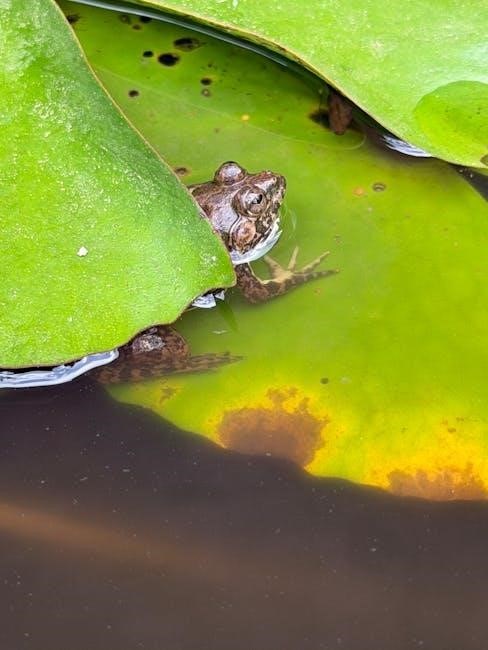
Students will learn about population viability analysis, landscape ecology, and the design of effective conservation strategies, such as protected area management and restoration ecology. A key focus is understanding the genetic consequences of small population size and the importance of maintaining genetic diversity.
Free online resources from organizations like WWF and readily available PDFs provide insights into real-world conservation challenges and successes. This course emphasizes a holistic approach, integrating ecological, economic, and social considerations for long-term conservation outcomes.
Exploring accessible wildlife education, this section highlights free online courses, essential curriculum components, and practical resources for budding conservationists and biologists.
X. Finding Free Online Resources: A Comprehensive Guide
Navigating the digital landscape for wildlife biology education requires a strategic approach. Fortunately, numerous platforms offer free resources, democratizing access to crucial knowledge. World Wildlife Fund (WWF) provides excellent conservation courses, while various institutions host introductory materials in PDF format.
Open Educational Resources (OER) are invaluable, offering textbooks and course materials without cost. Websites like Wildlife Informer share fascinating facts and imagery, supplementing formal learning. Online learning platforms, though sometimes requiring fees for certification, often allow free access to course content.
Effective searching utilizes keywords like “wildlife biology,” “conservation,” and “ecology” combined with “free course” or “open educational resources.” Remember to verify the credibility of sources and supplement online learning with practical experiences whenever possible.
XI. Websites Offering Free Wildlife Biology Courses
Several websites are dedicated to providing accessible wildlife biology education without charge. The World Wildlife Fund (WWF) stands out, offering courses focused on conservation strategies and endangered species protection. Wildlife Informer, while not a formal course provider, delivers a wealth of information and stunning visuals to enhance understanding.
Exploring university websites can reveal open courseware, including lecture notes and supplementary materials. Look for institutions with strong biological sciences programs offering introductory wildlife biology content. Additionally, platforms hosting OER frequently curate collections of relevant resources.
Remember to critically evaluate the source and content, ensuring it aligns with established scientific principles. Combining resources from multiple websites provides a well-rounded learning experience.
Discover essential online resources for a free wildlife biology education, encompassing core courses, practical skills, and conservation insights for future biologists.
XII. Utilizing Open Educational Resources (OER)
Open Educational Resources (OER) are revolutionizing wildlife biology education, providing freely accessible, high-quality materials for learners worldwide. These resources, often licensed under Creative Commons, empower students to access textbooks, lecture notes, and research papers without traditional costs.
OERs encompass a diverse range of formats, including online courses, interactive simulations, and downloadable PDFs, catering to various learning styles. Utilizing OER promotes inclusivity and democratizes knowledge, breaking down barriers to entry for aspiring wildlife biologists.
Key benefits include adaptability – instructors can modify content to suit specific curricula – and cost-effectiveness, reducing the financial burden on students. Websites like OER Commons and the Directory of Open Access Journals are excellent starting points for discovering relevant OER materials in wildlife biology and related fields.
Embracing OER fosters a collaborative learning environment, encouraging resource sharing and continuous improvement within the wildlife biology community.
XIII. Free PDF Textbooks and Course Materials
Accessing free PDF textbooks and course materials is crucial for affordable wildlife biology education. Numerous online repositories offer comprehensive resources, covering core subjects like ecology, animal physiology, and conservation biology. These PDFs often mirror traditional textbooks, providing detailed explanations, illustrations, and practice questions.
Platforms like Open Textbook Library and Biodiversity Heritage Library host a wealth of freely downloadable materials. Additionally, university websites frequently provide open access to course syllabi, lecture slides, and assignments, offering valuable supplementary learning tools.
While quality can vary, careful evaluation and cross-referencing with reputable sources are essential. Searching for “wildlife biology PDF” alongside specific topics yields relevant results. Utilizing these resources significantly reduces educational expenses, making wildlife biology accessible to a wider audience.
Remember to respect copyright and licensing terms when utilizing these materials.
Exploring free online resources unlocks wildlife biology education, offering accessible core curriculum materials and fostering conservation efforts through knowledge dissemination.
XIV. Online Learning Platforms for Wildlife Biology
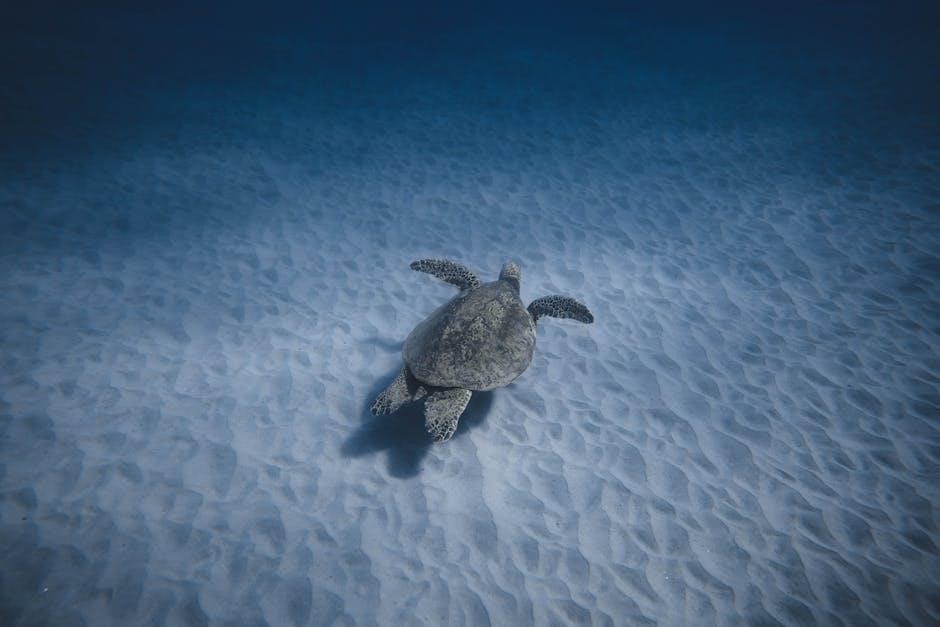
Numerous platforms deliver wildlife biology content, though complete, free core curricula are rare. Coursera and edX frequently host university-level courses, often with audit options for free access to materials, but certificates usually require payment.
WWF’s online learning hub provides focused conservation courses (detailed later), while FutureLearn offers short courses touching on relevant ecological principles. YouTube channels from universities and wildlife organizations present valuable lectures and documentaries.
Khan Academy, while not specifically wildlife-focused, builds foundational science knowledge crucial for the field. OpenLearn (The Open University) provides free course materials, including some related to environmental science. BioInteractive from HHMI offers engaging resources, including virtual labs and data analysis tools, supplementing core concepts.
These platforms require self-discipline and often lack structured assessments without paid enrollment, but provide a wealth of information for motivated learners.
XV. Specific Free Courses: A Detailed Look

WWF’s Conservation Courses offer a series of short, focused modules on topics like wildlife trafficking and sustainable landscapes, providing practical insights into conservation challenges. These are excellent supplements, though not a full curriculum.
, often found through university open courseware initiatives, provides a foundational overview of the field, covering basic principles and techniques. Availability varies.
Biological Sciences & Wildlife Management courses, sometimes offered as introductory materials by universities, can be accessed via institutional websites or archived online. These often require searching specific university repositories.
While a single, comprehensive free course is elusive, combining modules from WWF, downloadable PDFs, and university resources can construct a robust self-directed learning path.
Exploring accessible wildlife education, this section highlights free online resources, core curriculum components, and practical learning avenues for budding biologists worldwide.
XVI. Course 1: WWF’s Conservation Courses
WWF (World Wildlife Fund) offers a range of free online conservation courses, providing a solid foundation in critical wildlife biology principles. These courses, accessible through their website, cover diverse topics like protecting species, combating wildlife crime, and understanding human-wildlife conflict.
While not a complete core curriculum, WWF’s offerings are excellent supplementary material. They emphasize practical conservation strategies and global biodiversity challenges. Learners benefit from engaging content, often featuring real-world case studies and expert insights.
The courses are designed for various levels, from introductory overviews to more specialized modules. They are a valuable starting point for individuals seeking to deepen their understanding of conservation issues and contribute to wildlife preservation efforts. Access is typically free, requiring only registration on the WWF platform.
A readily available, free resource is the “Wildlife Biology” PDF often found on various educational websites and online repositories. This document serves as a foundational introduction to the field, covering core concepts like animal behavior, population ecology, and habitat management.
While lacking the interactive elements of a formal online course, the PDF provides a comprehensive overview of key principles. It’s particularly useful for self-directed learners or those seeking a concise reference guide. However, note that the syllabus may be limited or absent.
The content typically includes chapters on wildlife identification, research methodologies, and conservation challenges. It’s crucial to verify the source and publication date to ensure the information is current and scientifically accurate. This PDF is a valuable starting point for independent study.
WWF and Wildlife Informer offer crucial insights into global wildlife crises and conservation efforts, highlighting the urgent need for skilled biologists.
XVIII. Course 3: Biological Sciences & Wildlife Management
This integrated course, often found within university frameworks (as indicated by offerings from institutions with Biological Sciences faculties), provides a robust foundation for aspiring wildlife biologists.
It typically blends core biological principles – encompassing genetics, physiology, and ecology – with the specialized demands of wildlife conservation and management practices.
Students delve into population dynamics, habitat assessment, and the application of scientific methodologies to real-world conservation challenges.
While a fully free, standalone online version may be elusive, components are often available as Open Educational Resources (OER) or through university course material repositories.
The curriculum emphasizes practical skills, preparing graduates for roles in research, policy, and on-the-ground conservation initiatives, addressing the current wildlife crisis.
Focus is given to understanding the interplay between biological systems and human impacts on wildlife populations and their ecosystems.
XIX. Challenges and Limitations of Free Online Learning
While free online resources democratize access to wildlife biology education, several challenges and limitations must be acknowledged.
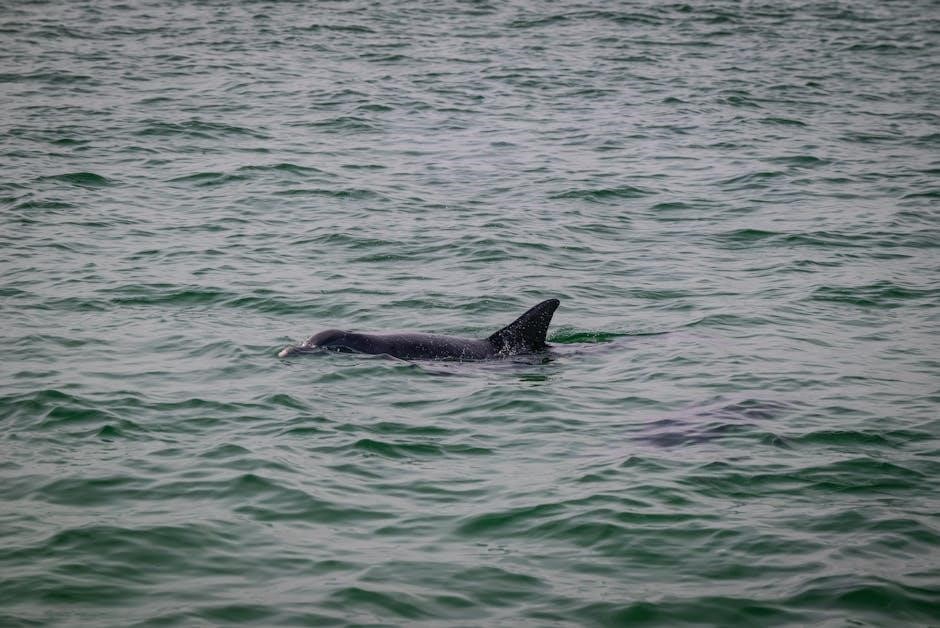
A primary concern is the potential lack of accreditation and formal recognition of completed courses, impacting career advancement.
The absence of structured, in-person interaction can hinder the development of crucial fieldwork skills and networking opportunities.
Self-discipline and motivation are paramount, as learners must independently manage their time and progress without direct supervision.
Resource quality can vary significantly, requiring careful evaluation of source credibility and scientific rigor.
Limited access to specialized equipment or laboratory facilities poses a barrier to practical training, necessitating supplemental experiences.

Successfully navigating these limitations requires proactive engagement and a commitment to supplementing online learning with fieldwork and practical application.
Global wildlife faces a severe crisis, with populations plummeting since 1970, demanding urgent conservation efforts and skilled wildlife biologists.
XX. Supplementing Online Learning: Fieldwork & Practical Experience
While free online resources provide a strong foundation, practical fieldwork is crucial for a comprehensive wildlife biology education. Theoretical knowledge must be applied in real-world scenarios to develop essential skills.
Seek volunteer opportunities with conservation organizations like WWF, participating in habitat restoration, species monitoring, or data collection. Consider internships at wildlife sanctuaries or research facilities, gaining hands-on experience with wildlife management techniques.
Local nature reserves and parks offer valuable learning environments, allowing observation and identification of local fauna. Documenting observations, practicing data analysis, and collaborating with experienced biologists are vital steps. Remember, practical experience complements online learning, transforming aspiring biologists into effective conservationists.
XXI. Future Trends in Wildlife Biology Education
The future of wildlife biology education is leaning towards increased accessibility and technological integration. Expect more sophisticated online platforms offering immersive virtual field experiences and interactive simulations. Artificial intelligence (AI) will likely play a role, aiding in species identification and data analysis.
A growing emphasis on interdisciplinary approaches will combine biology with data science, remote sensing, and policy studies. Open Educational Resources (OER) will continue to expand, providing free, high-quality learning materials globally. Personalized learning pathways, tailored to individual interests and career goals, will become more common.
Ultimately, the trend is towards democratizing wildlife biology education, empowering a diverse cohort of conservation leaders.