k25 lp throttle adjustment instructions
Summary
Struggling with your K25 LP throttle? This guide breaks down adjustment instructions with clear steps & troubleshooting tips. Get back to smooth operation now!
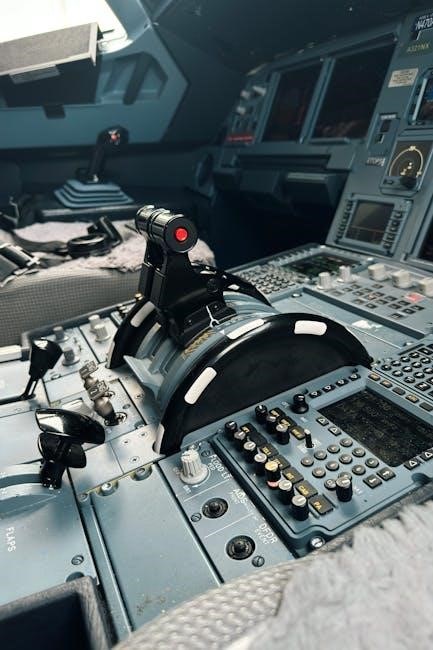
K25LP Throttle Adjustment Instructions: A Comprehensive Guide
This guide details the K25LP throttle control, offering precision for engine speed in diverse applications like marine and aeronautics.
Understanding the K25LP Throttle Control System
The K25LP throttle control represents a significant advancement in engine management, offering digital precision and adaptability crucial for modern engines. Engineered by Nissan for their K21 (2;1L) and K25 (2.5L) engines, it utilizes Electronic Control Combustion System (ECCS) technology, featuring single-port fuel injection for LPG and multi-port for Gasoline, alongside a drive-by-wire system.
This system isn’t merely about controlling engine speed; it’s about optimizing performance and responsiveness. The ‘drive by wire’ functionality eliminates the mechanical linkage, replacing it with electronic signals, allowing for more refined control and integration with other vehicle systems. Furthermore, the K25LP incorporates an engine protection system and cushioned stability control, enhancing both durability and operator safety. Understanding these core components is fundamental before attempting any adjustment procedures, ensuring optimal functionality and longevity of the system.
Key Features of the K25LP System
The K25LP throttle control boasts several key features contributing to its precision and reliability. Notably, it supports LPG, Gasoline, and Dual Fuel operation, offering versatility across different fuel sources. A low fuel warning light, specifically for LPG models, enhances operational awareness. The inclusion of a full suspension system, coupled with a fold-down seat and operator restraint, prioritizes safety and comfort.

Beyond these, the tilt-adjustable steering wheel with memory function allows for personalized ergonomics. Crucially, the system’s adaptive capabilities allow it to master and adjust to driving conditions in real-time, enhancing both engine performance and overall efficiency. This intelligent design, combined with its robust construction, positions the K25LP as a high-level component for applications demanding accurate motor speed control, particularly in marine and aeronautical settings.
Applications of the K25LP Throttle Control
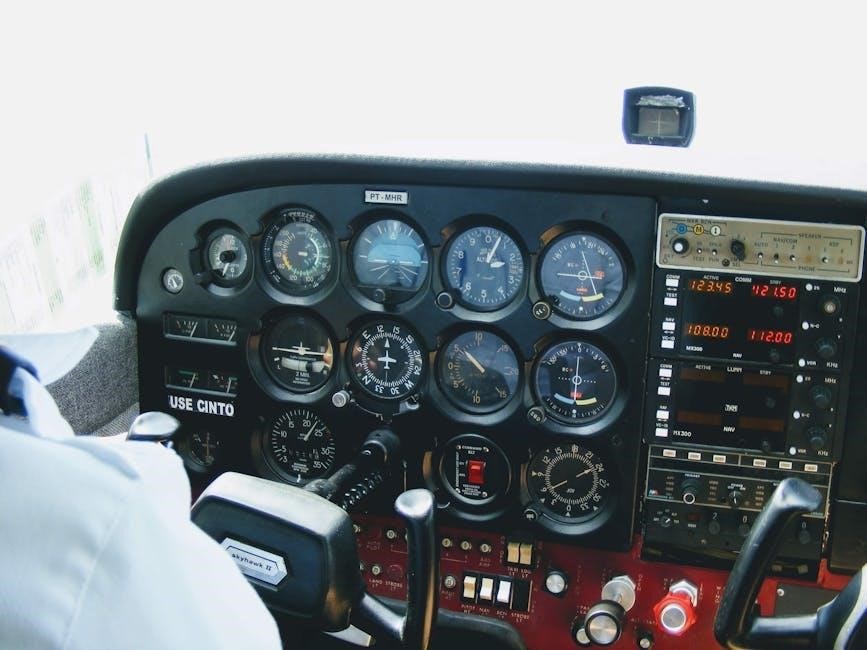
The K25LP throttle control system demonstrates exceptional versatility, finding application across a broad spectrum of demanding industries. Primarily, it excels in marine environments, providing precise engine control for various vessel types. Its capabilities also extend to the aeronautics sector, where accuracy and reliability are paramount for flight control systems. Beyond these specialized fields, the K25LP is ideally suited for large-scale equipment requiring refined throttle management.
Specifically, it’s engineered for use with Nissan K21 (2.1 liter) and K25 (2.5 liter) engines featuring ECCS electronic fuel injection technology. This includes both single-port fuel injection for LPG and multi-port injection for Gasoline. The system’s adaptability makes it a valuable asset in applications where consistent and responsive throttle control is critical for optimal performance and operational safety, ensuring precision across diverse power systems.

Pre-Adjustment Checks & Safety Precautions
Before adjusting, ensure the engine is off and cool. Verify proper fuel selection (LPG or Gasoline) and confirm all safety systems are functional.
Required Tools and Equipment
Successfully adjusting the K25LP throttle control necessitates a specific set of tools to ensure accuracy and safety; A standard toolkit including a socket wrench set, screwdrivers (both Phillips and flathead), and an adjustable wrench are fundamental.
Crucially, a digital multimeter is required for verifying electrical connections and sensor readings. Diagnostic software compatible with the K25LP system is essential for accessing real-time data and performing calibrations. A fuel pressure gauge is needed to confirm correct fuel delivery, especially when switching between LPG and Gasoline.
Additionally, a tachometer will aid in monitoring engine speed during the adjustment process. Safety glasses and gloves are paramount for personal protection. Finally, the manufacturer’s service manual for the specific engine utilizing the K25LP system is indispensable, providing detailed schematics and recommended procedures.
Safety Procedures Before Adjustment
Prior to commencing any K25LP throttle adjustment, stringent safety protocols must be observed. Disconnect the negative terminal of the vehicle’s battery to prevent accidental electrical shocks or system malfunctions. Ensure the engine is completely cool to avoid burns.
Work in a well-ventilated area, particularly when dealing with LPG fuel systems, to mitigate the risk of gas accumulation. Always wear appropriate personal protective equipment, including safety glasses and gloves.
Familiarize yourself thoroughly with the K25LP system’s operation and the specific engine’s requirements, referencing the manufacturer’s service manual. Before making any adjustments, visually inspect all wiring and connections for damage or corrosion. Confirm the parking brake is firmly engaged and the vehicle is securely supported if lifting is necessary.
Keep a fire extinguisher readily accessible and understand its operation.

Adjustment Procedure: Step-by-Step Guide
Begin with initial calibration, then fine-tune for a smooth response. Adjust settings differently for LPG versus gasoline fuel types, verifying efficient operation.
Initial Throttle Position Calibration
Before commencing any adjustments, ensure the engine is off and cooled down; This initial calibration establishes a baseline for optimal performance. Connect any necessary diagnostic tools to monitor throttle position sensor (TPS) readings.
With the ignition switched on (engine off), verify the TPS displays a closed throttle position – typically around 0%. If not, carefully adjust the throttle linkage or sensor mounting until the correct reading is achieved. This step is crucial for accurate fuel delivery and engine control.
Slowly depress the throttle pedal and observe the TPS readings increasing linearly. Any inconsistencies or jumps in the signal indicate a potential issue with the throttle cable, linkage, or sensor itself. Address these issues before proceeding. Confirm full throttle range is achieved without binding or excessive play.
Proper initial calibration ensures the K25LP system accurately interprets driver input, leading to smoother operation and enhanced engine responsiveness.
Fine-Tuning for Smooth Response
After initial calibration, start the engine and allow it to reach operating temperature. Observe the engine’s response to throttle inputs at idle. Any hesitation or stumbling indicates a need for fine-tuning.
Slight adjustments to the throttle cable tension can refine responsiveness. Increase tension incrementally, monitoring for improved acceleration without introducing unintended throttle advance. Conversely, reduce tension if the throttle feels overly sensitive or “sticky”.
Pay close attention to transitions between throttle positions. Smooth, seamless acceleration is the goal. If experiencing abrupt changes in engine speed, investigate potential issues with the fuel injection system or ignition timing.
For LPG and gasoline models, ensure the fuel selector switch operates correctly and doesn’t interfere with throttle control. Regular checks and minor adjustments will maintain optimal performance and a consistently smooth driving experience.
Adjusting for LPG vs. Gasoline Fuel Types

The K25LP system, designed for LPG, gasoline, or dual-fuel operation, requires specific adjustments when switching between fuel types. Nissan’s K21 and K25 engines utilize ECCS fuel injection, differing between single-port for LPG and multi-port for gasoline.
When transitioning to LPG, a slight increase in throttle sensitivity may be necessary due to LPG’s different combustion characteristics. Conversely, gasoline operation might require a reduction in sensitivity for optimal performance.
Verify the fuel selector switch functions correctly, ensuring a clean and complete switch between fuel sources. Improper switching can lead to erratic engine behavior and reduced efficiency.
Regularly inspect the LPG fuel lines and regulator for leaks or damage. A properly maintained fuel system is crucial for safe and reliable operation. Remember LPG models feature a low fuel warning light for added safety.

Troubleshooting Common Issues
Addressing delayed response, erratic speeds, or full suspension concerns related to control stability is vital for maintaining optimal K25LP performance and safe operation.
Addressing Delayed Throttle Response
A delayed throttle response in the K25LP system can stem from several factors, requiring a systematic approach to diagnosis and resolution. Initially, inspect the throttle cable (if applicable) for any signs of binding, fraying, or obstruction. Ensure it moves freely throughout its entire range of motion. For drive-by-wire systems, verify the integrity of the throttle position sensor (TPS) and its wiring harness; a faulty TPS can send inaccurate signals to the engine control unit (ECU).
Furthermore, examine the ECU connections for corrosion or looseness, as these can disrupt communication. Check for any vacuum leaks in the intake manifold, as these can affect engine performance and throttle response. If the issue persists, consider recalibrating the throttle position using diagnostic software, ensuring the ECU accurately interprets the throttle input. Finally, confirm proper fuel delivery, as insufficient fuel can mimic a delayed throttle response. A thorough inspection and methodical troubleshooting process are key to restoring optimal performance.
Resolving Erratic Engine Speed
Erratic engine speed with the K25LP throttle control often points to inconsistencies in the system’s input or output signals. Begin by meticulously checking the throttle position sensor (TPS) for proper functionality; a failing TPS can deliver fluctuating readings to the engine control unit (ECU), causing unpredictable engine behavior. Inspect the wiring harness connected to the TPS for damage, corrosion, or loose connections, as these can introduce signal interference.
Next, evaluate the fuel delivery system, ensuring consistent fuel pressure and injector performance. Issues with fuel pressure regulators or clogged injectors can lead to unstable engine speeds. Examine the intake system for air leaks, which can disrupt the air-fuel mixture. If the system utilizes a throttle cable, verify its smooth operation and proper adjustment. Finally, consider the possibility of an ECU malfunction and utilize diagnostic tools to scan for error codes, potentially requiring a software update or replacement.
Diagnosing and Fixing Full Suspension Issues (Related to Control Stability)
While seemingly unrelated, a compromised full suspension system can significantly impact K25LP throttle control stability, particularly in mobile applications. Excessive play in suspension components – shocks, struts, or bushings – introduces unwanted movement, potentially interfering with the precise throttle control intended for smooth operation. Begin by visually inspecting all suspension elements for wear, damage, or leaks.
Test each component individually, checking for excessive bounce or unusual noises during compression and rebound. A thorough examination of the suspension geometry is crucial; misalignment can amplify instability. Ensure all mounting points are secure and free from corrosion. If issues are detected, replace worn or damaged parts with OEM-quality replacements. Following repairs, a wheel alignment is essential to restore proper handling and ensure the K25LP throttle control functions as designed, maintaining optimal control and operator safety.
Maintenance and Long-Term Care
Regular inspection and cleaning are vital for K25LP throttle control longevity. Consistent lubrication ensures smooth operation, while prompt attention to issues prevents costly repairs.

Regular Inspection Schedule
To guarantee optimal performance and prevent unexpected failures, a consistent inspection schedule is paramount for the K25LP throttle control system. A visual check should be performed monthly, focusing on wiring connections for corrosion or damage, and ensuring secure mounting of the control unit.

Every three months, a more detailed inspection is recommended. This includes verifying the throttle linkage moves freely without binding, and checking for any play in the control mechanism. Inspect the cushioned stability control components for wear and tear, as these are crucial for maintaining operational safety.
Annually, a comprehensive assessment should be undertaken. This involves testing the throttle response across its entire range, confirming accurate calibration for both LPG and gasoline fuel types, and lubricating all moving parts. Don’t forget to check the low fuel warning light (on LPG models) for functionality. Maintaining this schedule will contribute significantly to the K25LP’s long-term reliability and performance.
Cleaning and Lubrication Best Practices
Maintaining a clean and well-lubricated K25LP throttle control is vital for smooth operation and longevity. Regularly remove any dust, dirt, or debris accumulation using a soft cloth and compressed air – avoid harsh chemicals that could damage sensitive components. Focus particularly on the throttle linkage and pivot points.
For lubrication, use a high-quality, lithium-based grease specifically designed for throttle control systems. Apply sparingly to all moving parts, including the linkage, cable (if applicable), and internal mechanisms; Avoid over-lubrication, as excess grease can attract dirt.
Pay attention to the cushioned stability control elements; these may require periodic cleaning and lubrication as well. Inspect the tilt-adjustable steering wheel mechanism and apply lubricant if needed. Remember, proper cleaning and lubrication not only enhance performance but also prevent premature wear and tear, ensuring reliable operation for years to come.